How do toy retailers market products tied to popular movies?
Quick Answer
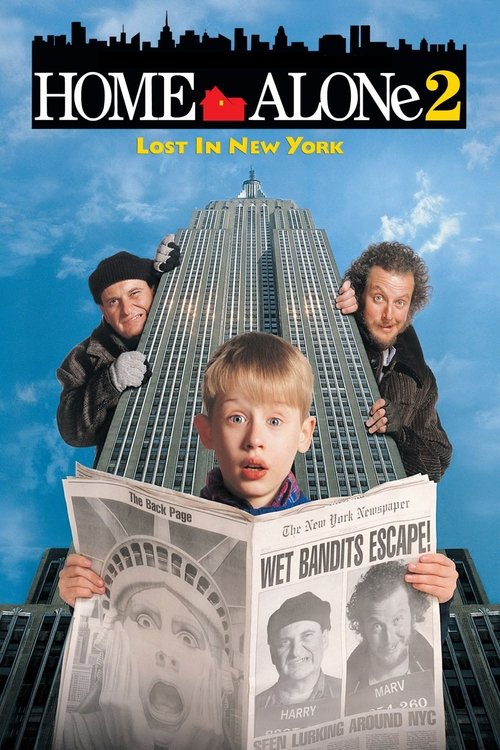
Toy retailers often partner with film studios to create prop replicas of on‑screen gadgets, such as Tiger Electronics’ Talkboy from Home Alone 2, and release them as holiday‑season toys that ride the wave of movie popularity.
Full Explanation
The strategy begins with a close collaboration between the toy manufacturer and the film’s creative team. In the case of the Talkboy, writer John Hughes and distributor 20th Century Fox requested that Tiger Electronics design and build the handheld voice recorder Kevin MacCallister used in Home Alone 2. The company was granted permission by the studio to produce a retail version of the prop.
Once the prototype was approved, Tiger Electronics released two cassette recorders modeled after the on‑screen device. The retail launch was timed for the holiday shopping seasons beginning in 1993, capitalizing on the film’s release and the excitement it generated among children.
Retail marketing leveraged the movie’s popularity by positioning the toy as a “must‑have” accessory for fans, often featuring the film’s branding and imagery on packaging. The alignment with the film’s release cycle created a craze that extended across several holiday periods, illustrating how a single movie‑tie‑in can drive repeat sales.
This example shows that successful movie‑tied toys combine studio approval, faithful recreation of on‑screen props, and seasonal marketing to maximize consumer interest and generate buzz among target audiences.